Tips for Picking the Proper Dumpster Size
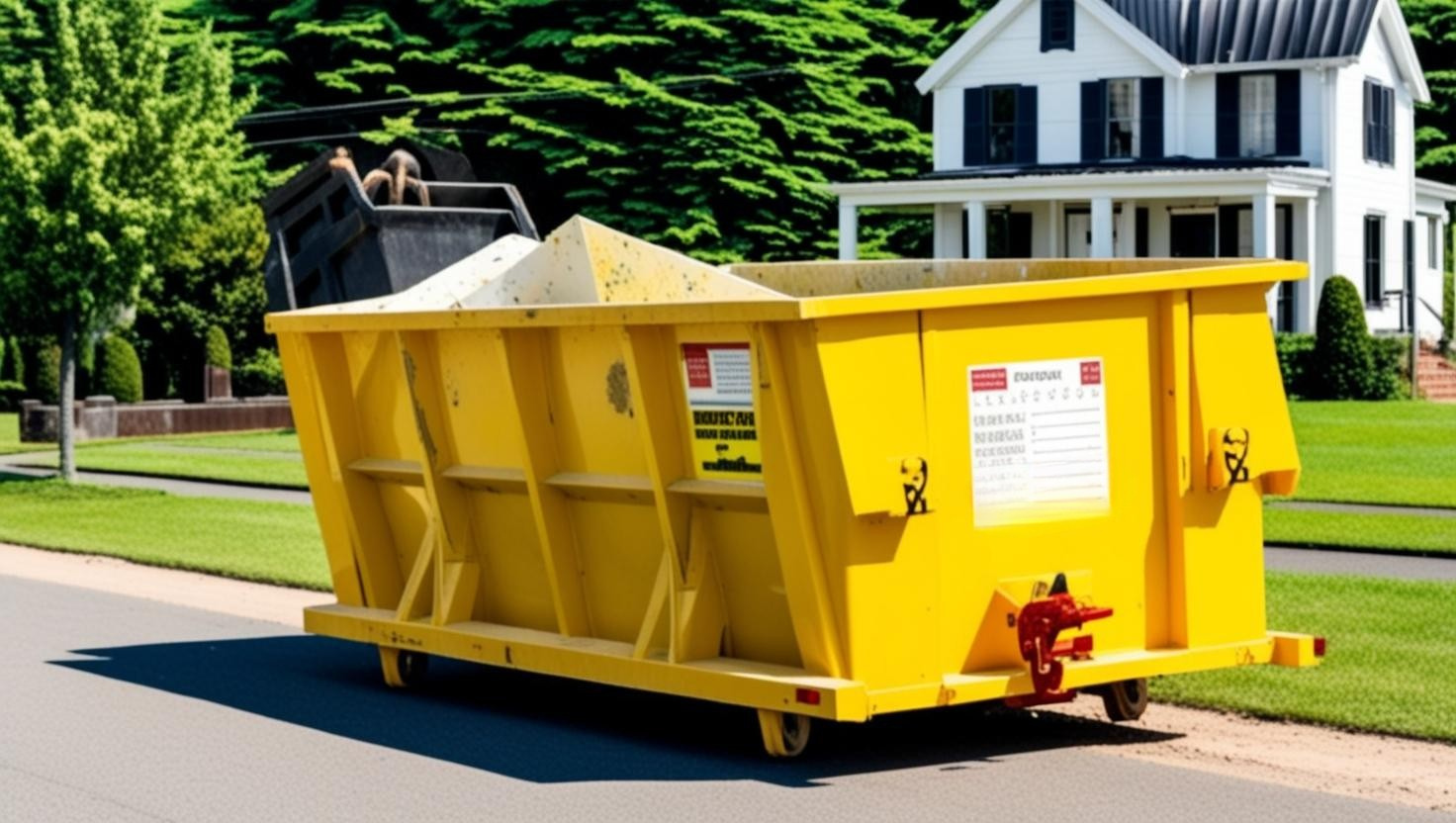
When planning a cleanup, renovation, or construction project, one of the most overlooked decisions is selecting the correct dumpster size. Often the work takes priority while waste management is forgotten, creating risks and inefficiencies. A dumpster that is undersized can overflow, requiring extra hauls, while one that is oversized consumes valuable space. Effective waste control begins with selecting the right container, making sure debris is managed cleanly and efficiently.
At Junk Bee Gone, we understand how vital this decision is for the success of your project. Dumpsters serve beyond waste disposal, acting as an essential resource to keep worksites clear and safe. Assessing your disposal needs ensures that progress continues without unnecessary interruptions. Choosing correctly minimizes clutter and enhances safety for all participants. By being deliberate, you turn dumpster choice into a planned step rather than a guesswork decision.
Evaluating the Scope of Your Project
To begin selecting a dumpster, it is important to evaluate the full scope of the job. Projects can vary widely, from small cleanouts to large-scale construction efforts. The volume of debris depends not only on the type of work being done but also on the materials involved. Debris from roofing, household items, furniture, or yard waste varies in quantity and density. Factoring in the total debris expected helps predict the right container size.
The length of your project also matters, because extended work produces additional debris. In projects with stages such as teardown and rebuilding, debris volume grows differently at each step. These considerations ensure the dumpster will handle the total load smoothly. This approach prevents costly delays and reduces the need for additional pickups, keeping your project on track. Careful attention to scope and time ensures you choose a container that truly fits the work.
How Waste Materials Influence Container Selection
Different waste types require different planning, and knowing what materials you will dispose of affects container choice. Weighty items such as concrete and soil differ greatly from lighter materials like furniture or paper. The volume of bulky debris differs even when the weight appears manageable. Incorrect assumptions cause strain on the container and poor space usage. Proper recognition of material type ensures your container is neither overfilled nor underutilized.
Recognizing waste types early allows you to select a more suitable container. Decide whether the job involves mostly renovation debris, yard waste, or household clutter. Each type of waste has unique characteristics that influence the best dumpster option. Being aware of this helps you plan more effectively, making sure your rental is used fully without stressing the container. Preparedness helps align dumpster capacity with the materials disposed.
Considering Space and Placement
Another major consideration is where the dumpster will be situated. The container’s location must allow easy service access and convenience for workers. Large dumpsters in tight areas may cause space conflicts and logistical issues. On the other hand, having a dumpster that is too small may require additional moves or adjustments that can slow down your progress. Efficiency relies on balancing location with the container dimensions.
The site’s overall layout, such as driveways or open spots, should influence the choice. Taking accurate measurements avoids unexpected problems during drop-off. Accessibility is also crucial, as the dumpster should be positioned so that it does not block important pathways or create safety risks. Proper placement ensures that the container is easy to use throughout the here project, making waste disposal smooth and efficient. Effective space use contributes to steady workflow and fewer disruptions.
Determining Disposal Volume Effectively
Accurately estimating the amount of waste your project will generate is one of the most important steps in selecting a dumpster. It is common for people to misjudge debris buildup, often leading to overflow and added hassle. An organized process that starts with taking inventory of what will be discarded offers the best accuracy. By splitting your project into steps and measuring waste from each, you get a more reliable estimate. Proper planning allows you to select a container capable of managing the entire project’s demands.
Imagining debris in terms of truckloads is another way to match it to container requirements. Big items such as furniture or large boxes often take up space faster than people assume. Leaning toward a larger estimate is usually better because it covers unexpected waste. With careful evaluation, you can select a dumpster that handles your project comfortably without creating avoidable obstacles. Such foresight ensures a steady workflow and prevents problems with insufficient container space.
Why the Proper Dumpster Size Matters
Selecting the correct dumpster size provides several advantages beyond simple waste collection. An accurately chosen container cuts down on clutter, improving efficiency and safety. Workers spend less time moving debris around and more time focusing on their tasks. Good organization creates a professional workflow, leaving tools and areas open for use. In the end, having the correct dumpster leads to smoother work and reduced risks.
You also gain efficiency by cutting down on needless hauls and pickups. With a container that accommodates everything, progress flows steadily from beginning to end. Avoiding repeat trips leads to better resource management overall. The biggest gain is eliminating stress and keeping your project from being slowed by waste problems. This peace of mind enhances productivity and confidence throughout the project.
Getting Expert Help With Dumpster Selection
If you are unsure about the correct size, consulting experts is the smartest option. Experts evaluate your needs and suggest options from their practical knowledge. Reliable providers align dumpster size with job requirements, helping you avoid errors. Such advice helps those new to rentals or dealing with debris that is less typical. Guidance from specialists makes selection easier and more accurate.
Junk Bee Gone has assisted countless clients in selecting the most effective dumpster size for their needs. We review your project information closely, considering both materials and expected waste volume. We offer suggestions that balance efficiency with convenience so you can prioritize your work. With our support, you gain confidence that your selection is supported by expertise. By trusting professionals, your waste management becomes simpler and more reliable.
Ensuring the Right Dumpster Decision
Selecting the correct container size is critical for efficient debris management in all projects. Factoring in scope, debris, space, and estimates gives you clarity when choosing. These steps help ensure efficiency, safety, and organization from beginning to end. Careful planning prevents problems, ensuring the project flows without delays. The right choice fosters steady project progress and reliability.
At Junk Bee Gone, our commitment is to guide clients toward smarter choices for their debris management. Our expertise allows us to guide you toward a dumpster that suits your project perfectly. Whether handling home cleanouts, construction debris, or large-scale renovations, our service ensures that waste is managed with ease and reliability. The correct dumpster lets you dedicate full attention to achieving project completion. Our mission is to ensure waste management is straightforward and supports your success.